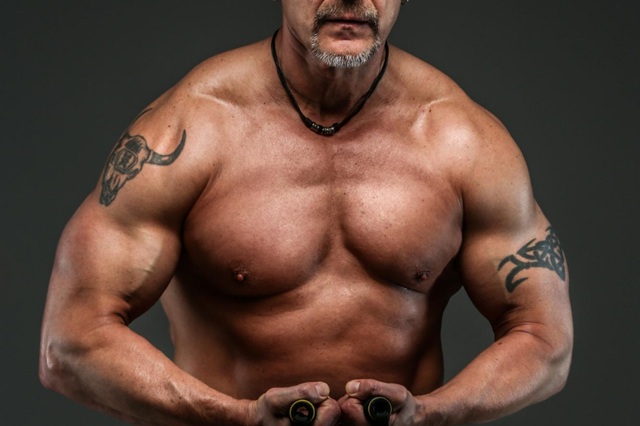
If you’re in your 50s and want to get rid of stubborn body fat without losing the muscle you’ve worked hard to build, you’re in the right place.
Let’s get one thing straight.
Getting lean and muscular after 50 is absolutely possible.
However, your body isn’t the same as it was in your 20s or 30s.
Recovery may take longer, maintaining muscle mass becomes more challenging, and hormonal changes can affect your body composition.
But that doesn’t mean you should give up on having a lean, muscular physique.
You just need to train smarter, adjust your nutrition, and give your body enough time to recover.
So, today I’m going to show you **how to cut in your 50s while maintaining muscle mass, strength, and energy.
Let’s start.
What Is the Cutting Phase?
Cutting is the process of losing body fat while maintaining as much muscle mass as possible.
The goal is simple: **get leaner, improve muscle definition, and reveal the muscles you’ve already built.
On the other hand, bulking is the process of eating more calories than your body burns to support muscle growth.
When you’re in your 50s, cutting requires a slightly different approach.
Why?
Because maintaining muscle mass becomes increasingly important as you age.
After 50, you may gradually lose muscle mass and strength, especially if you don’t exercise regularly or consume enough protein.
That’s why your cutting phase shouldn’t be about losing as much weight as possible.
It should be about losing fat while keeping your muscles.
And to achieve that, you need the right combination of nutrition, strength training, cardio, recovery, and, if appropriate, supplementation.
How to Cut in Your 50s?
Cutting after 50 isn’t necessarily harder, but you need to pay more attention to your diet, training intensity, and recovery.
Extreme diets and endless cardio sessions aren’t the answer.
Instead, focus on gradual fat loss while maintaining your strength and muscle mass.
Here are the most important things you should do.
1. Focus on Healthy Weight Loss
The main goal of cutting is to reduce body fat, not simply watch the number on the scale go down.
And that’s especially important for guys in their 50s.
If you lose weight too quickly, there’s a greater chance you’ll lose muscle along with fat.
That’s the last thing you want.
Focus on nutrient-dense foods that provide enough protein, healthy fats, complex carbohydrates, vitamins, and minerals.
Lean meat, fish, eggs, vegetables, oats, brown rice, nuts, and dairy products are all good choices.
And don’t forget about protein.
Protein is essential for maintaining muscle mass during your cutting phase.
For most healthy men who lift weights, consuming approximately 1.6–2.2 grams of protein per kilogram of body weight daily is a reasonable target.
This will help support muscle recovery and reduce muscle loss while you’re eating fewer calories.
2. Create a Moderate Calorie Deficit
If you want to lose fat, you need to consume fewer calories than your body burns.
That’s called a calorie deficit.
But here’s the thing.
When you’re cutting in your 50s, an aggressive calorie deficit isn’t the best strategy.
Your body needs enough energy to maintain muscle mass, recover from workouts, and support everyday activities.
I suggest starting with a **calorie deficit of approximately 250–500 calories per day
This should allow you to lose weight gradually without unnecessarily sacrificing muscle.
Of course, the exact amount depends on your body weight, activity level, and overall health.
Remember, the goal isn’t to lose weight overnight.
It’s to get leaner while keeping the muscle you’ve spent years building.
3. Best Workouts for Cutting After 50
One of the biggest mistakes guys make during cutting is replacing weightlifting with endless cardio.
Don’t do that.
If you want to maintain muscle mass while losing fat, **strength training should remain a priority.
You need to keep challenging your muscles, even when you’re consuming fewer calories.
However, recovery becomes increasingly important in your 50s, so you should avoid unnecessary training volume.
Aim for 2–4 strength-training sessions per week, depending on your experience and fitness level.
Focus on exercises that engage multiple muscle groups, such as squats, deadlifts, bench presses, rows, and pull-ups.
You don’t necessarily need to lift heavier weights than before.
The goal is to maintain your strength and muscle mass while gradually reducing body fat.
And don’t forget about cardio.
Combining resistance training with cardiovascular exercise is one of the most effective ways to improve body composition after 50.
HIIT Workouts
High-intensity interval training (HIIT) can be an effective way to burn calories, improve endurance, and support cardiovascular health.
HIIT involves alternating short periods of intense exercise with periods of rest or lower-intensity movement.
The good news?
You don’t need to spend an hour doing HIIT to get results.
In fact, 15–20 minutes of interval training once or twice per week can be enough to complement your strength workouts.
For guys in their 50s, I recommend choosing lower-impact exercises such as stationary cycling or an elliptical machine.
These activities allow you to increase your heart rate without putting unnecessary stress on your knees and joints.
If you’re new to exercising, start with moderate-intensity cardio and gradually increase the intensity as your fitness improves.
Walking and Moderate Cardio
Don’t underestimate walking.
It might not look as impressive as sprinting or lifting heavy weights, but it’s one of the easiest ways to increase your daily calorie expenditure.
And the best part?
Walking doesn’t require much recovery.
That’s particularly useful when you’re cutting in your 50s and want to save your energy for strength training.
Try walking briskly for 30–45 minutes most days of the week.
You can also include swimming, cycling, or other low-impact cardio activities.
The goal is to burn additional calories without exhausting your body.
Abs Workouts
If your goal is to get visible abs after 50, you need two things.
Strong abdominal muscles and a sufficiently low body-fat percentage.
Unfortunately, doing hundreds of crunches won’t magically remove belly fat.
You need to reduce your overall body fat through proper nutrition and exercise.
However, abdominal exercises are still important for strengthening your core and improving stability.
Some of the best exercises include:
- Plank: Strengthens your entire core, including your abdominal and lower-back muscles.
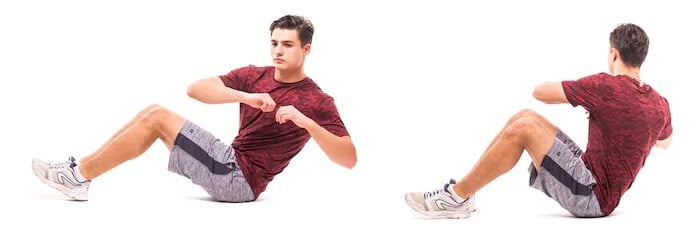
- Russian Twist: Targets your obliques and helps improve rotational strength.
- Bicycle Crunch: Engages your abdominal muscles and improves core endurance.
- Mountain Climbers: Combines core training with cardiovascular activity.
You can include these exercises two or three times per week.
Just remember that you can’t choose where your body loses fat first.
Your diet and overall calorie deficit will determine your fat-loss progress.
4. Don’t Forget About Recovery
Here’s something many guys overlook.
Recovery is just as important as training, especially after 50.
When you’re cutting, your body has fewer calories available for recovery.
And as you get older, you may need more time between demanding workouts.
That’s why I recommend getting 7–9 hours of sleep each night and allowing enough recovery time between intense training sessions.
Also, don’t train the same muscle groups hard every day.
Give your muscles time to recover.
Remember, the goal is to maintain strength and muscle mass throughout your cutting phase, not exhaust yourself with unnecessary workouts.
5. Supplementation During the Cutting Phase
If you’re serious about getting leaner in your 50s, you might also consider adding supplements to your routine.
But first, let me make something clear.
I’m not talking about steroids.
As I’ve mentioned many times before, I prefer natural bodybuilding and supplements made with carefully selected ingredients.
However, supplements aren’t magic pills.
They won’t replace a calorie deficit, proper nutrition, or regular exercise.
Some supplements, such as protein powder and creatine, can help support muscle maintenance and training performance during cutting.
And if you’re looking for additional support with weight management, you might want to check out Capsiplex Burn.
What Is Capsiplex Burn?
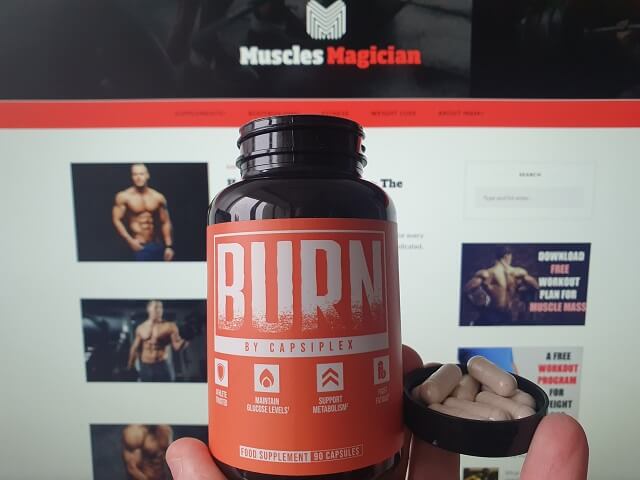
Capsiplex Burn is a weight-management supplement formulated with ingredients intended to support energy, metabolism, and fat-loss efforts.
It contains a combination of ingredients, including plant-derived compounds, designed to complement a healthy diet and exercise routine.
Some thermogenic ingredients, such as caffeine and capsaicin, may temporarily increase energy expenditure.
However, that doesn’t mean the supplement will automatically burn stubborn belly fat or prevent muscle loss.
The effectiveness of the complete formula depends on its ingredients, dosages, and your individual response.
If you’re already following a proper cutting diet and workout program, Capsiplex Burn is one of the additional options you can consider.
Just remember that natural ingredients aren’t automatically risk-free, particularly if you have high blood pressure, heart problems, or take medications.
You can read more about Capsiplex Burn and check the price through the product’s official information.
If you are doing bulking and cutting at the same time I suggest the ultimate bodybuilding stack.
Final Thoughts
Getting shredded after 50 is possible.
But you need to understand that your body may respond differently than it did when you were younger.
Your main goal should be to lose body fat while maintaining as much muscle mass and strength as possible.
And the best way to achieve that is by combining a moderate calorie deficit, a protein-rich diet, regular strength training, and appropriate cardio workouts.
Don’t forget about recovery, either.
Getting enough sleep and allowing your muscles to rest can make a big difference in your results.
And what about supplements?
As I said, I prefer natural supplements over anabolic steroids.
If you’re interested in additional support during your cutting phase, you can check out Capsiplex Burn, although no fat-burning supplement can guarantee faster results.
But here’s the most important thing.
Being in your 50s doesn’t mean you can’t build an impressive physique.
You just need to be consistent, train intelligently, and give your body the nutrition and recovery it needs.
Do that, and you can become leaner, stronger, and healthier well into your 50s and beyond.
My name is Cliff and I am a personal coach, sports lover, fitness enthusiast and author of MusclesMagician. I have 15+ years of experience in fitness and bodybuilding and I want to share it with you. I am here to help you build muscles and lose fat faster.
No Comments Found